Buy liebesschloss.eu ?
We are moving the project
liebesschloss.eu .
Are you interested in purchasing the domain
liebesschloss.eu ?
domain@kv-gmbh.de · 0541-91531010
Buy liebesschloss.eu ?
Where do people say "wäh" instead of "oui"?
"Wäh" is a colloquial term used in Switzerland, particularly in the Swiss German-speaking regions, to mean "yes." In French-speaking Switzerland, people say "oui" like in France. So, if you hear someone saying "wäh" instead of "oui," it is likely that they are from the Swiss German-speaking part of Switzerland. **
Why do French native speakers pronounce "oui" like "why" or "wua"?
The pronunciation of "oui" as "why" or "wua" by French native speakers is due to regional accents and dialects within France. In some regions, the pronunciation of certain vowels and consonants can vary, leading to different ways of saying the word "oui." Additionally, the French language has evolved over time, leading to changes in pronunciation patterns. Overall, the variation in pronunciation adds to the richness and diversity of the French language. **

Similar search terms for Oui
Top-Angebote
Products related to Oui:
-
Bourjois Volume Glamour Oh Oui! waterproof volumising mascara shade Black 7 mlBourjois Volume Glamour Oh Oui!, 7 ml, Mascaras for Women, Do you want to enhance your eyes and bring out their natural beauty? The Bourjois Volume Glamour Oh Oui! mascara will help you. It coats all of your lashes with an even layer of intense, rich colour from root to tip, making them appear longer and amazingly voluminous. In the wink of an eye, your eyelashes will look thicker and fuller, giving your look more depth and drama. Characteristics: extends the length of eyelashes has the effect of false eyelashes does not stick lashes together How to use: Apply the mascara to the eyelashes with gentle strokes from the root to the tip. For greater emphasis apply several coats.7,20 £*Shipping: 3,99 £Secure redirect to the provider

-
What is the meaning of "oui mais non" by Mylène Farmer?
The song "oui mais non" by Mylène Farmer explores the complexity of human emotions and relationships. The title "oui mais non" translates to "yes but no" in English, which reflects the ambivalence and contradictions that can exist within a person's feelings. The lyrics express a sense of uncertainty, hesitation, and inner conflict, capturing the push and pull of conflicting emotions. Overall, the song delves into the intricacies of human psychology and the difficulty of making decisions when faced with conflicting desires. **
-
Does one say "dieser Schlüssel" or "dieses Schlüssel"?
One would say "dieser Schlüssel" in German. The word "Schlüssel" is a masculine noun, so it takes the masculine form of the demonstrative pronoun "dieser." Therefore, the correct way to say "this key" in German is "dieser Schlüssel." **
-
What is Romantik 13?
Romantik 13 is a German hotel group that offers unique and individualized experiences for guests seeking a romantic and luxurious getaway. The group consists of 13 privately owned hotels, each with its own distinct charm and character. Romantik 13 hotels are known for their attention to detail, personalized service, and beautiful locations, making them a popular choice for couples and travelers looking for a romantic escape. With a focus on creating memorable and intimate experiences, Romantik 13 hotels provide a perfect setting for special occasions and romantic getaways. **
-
What does 'unter Verschluss gehalten' mean?
'Unter Verschluss gehalten' is a German phrase that translates to 'kept under lock and key' in English. It is used to describe something that is being kept secret or confidential, not accessible to the public or others. It implies that the information or object is being securely guarded or protected from unauthorized access. **
What is Anime Romantik 2?
Anime Romantik 2 is a Japanese anime series that falls under the romance genre. It is a sequel to the original Anime Romantik and follows the story of characters navigating love, relationships, and personal growth. The series typically features themes of love, friendship, and emotional connections, and is popular among fans of romantic anime. **
Where does the expression "Epoche der Romantik" come from?
The expression "Epoche der Romantik" comes from the German language and translates to "era of Romanticism" in English. It refers to the cultural, artistic, and intellectual movement that originated in Europe in the late 18th century and reached its peak in the 19th century. The Romantic era was characterized by a focus on emotion, individualism, nature, and the supernatural, and it had a significant impact on literature, music, art, and philosophy. The term "Romantik" was first used in the 19th century to describe this cultural movement, and it has since become a widely recognized term in the study of art and literature. **
Top-Angebote
Products related to Oui:
-
NuWallpaper Oui Paris Charcoal Peel & Stick WallpaperInspire a love of globe-trotting at a young age with this playful Parisian print! The illustrated peel and stick design features an array of cultural and architectural highlights from the City of Love inked in black brushstrokes on a white background.23,49 $*Shipping: 0,00 $Secure redirect to the provider
-
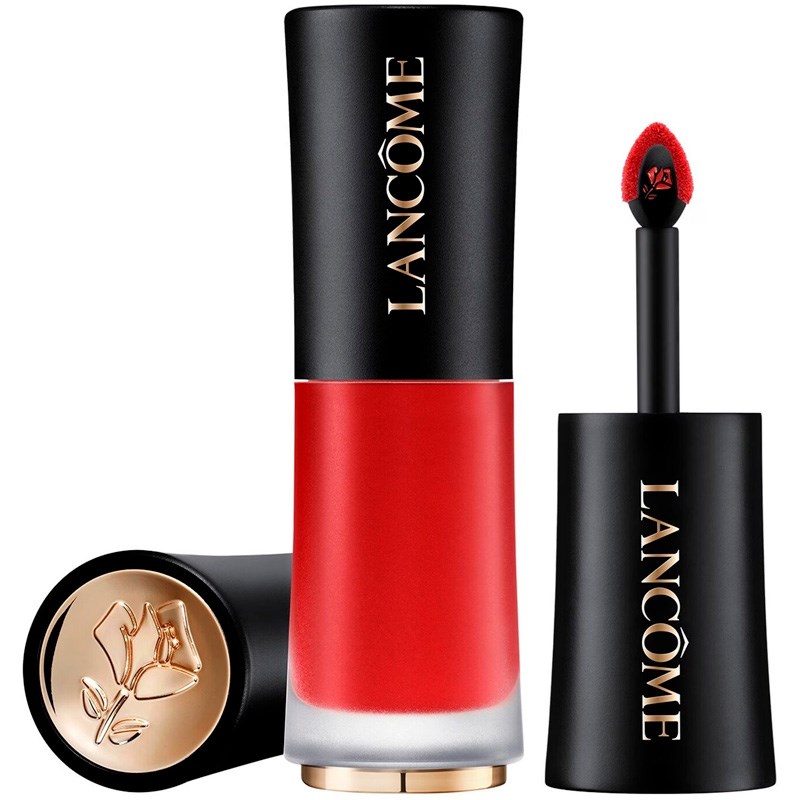
Lancôme L'Absolu Rouge Drama Ink Longwear Lipstick 6mL 154 Dis OuiA lipstick. L'Absolu Rouge Drama Ink from Lancô. me comes to challenge beauty with the dramatic colors that lead the world. This long lasting lipstick offers an intense color after just one application. Its innovative and ultra pigmented formula allows an ultra-thin and intense touch. Meet this powerful Lancô.36,01 £*Shipping: 4,22 £Secure redirect to the provider
-
Bourjois Volume Glamour Oh Oui! waterproof volumising mascara shade Black 7 mlBourjois Volume Glamour Oh Oui!, 7 ml, Mascaras for Women, Do you want to enhance your eyes and bring out their natural beauty? The Bourjois Volume Glamour Oh Oui! mascara will help you. It coats all of your lashes with an even layer of intense, rich colour from root to tip, making them appear longer and amazingly voluminous. In the wink of an eye, your eyelashes will look thicker and fuller, giving your look more depth and drama. Characteristics: extends the length of eyelashes has the effect of false eyelashes does not stick lashes together How to use: Apply the mascara to the eyelashes with gentle strokes from the root to the tip. For greater emphasis apply several coats.7,20 £*Shipping: 3,99 £Secure redirect to the provider
-
Where do people say "wäh" instead of "oui"?
"Wäh" is a colloquial term used in Switzerland, particularly in the Swiss German-speaking regions, to mean "yes." In French-speaking Switzerland, people say "oui" like in France. So, if you hear someone saying "wäh" instead of "oui," it is likely that they are from the Swiss German-speaking part of Switzerland. **
-
Why do French native speakers pronounce "oui" like "why" or "wua"?
The pronunciation of "oui" as "why" or "wua" by French native speakers is due to regional accents and dialects within France. In some regions, the pronunciation of certain vowels and consonants can vary, leading to different ways of saying the word "oui." Additionally, the French language has evolved over time, leading to changes in pronunciation patterns. Overall, the variation in pronunciation adds to the richness and diversity of the French language. **
-
What is the meaning of "oui mais non" by Mylène Farmer?
The song "oui mais non" by Mylène Farmer explores the complexity of human emotions and relationships. The title "oui mais non" translates to "yes but no" in English, which reflects the ambivalence and contradictions that can exist within a person's feelings. The lyrics express a sense of uncertainty, hesitation, and inner conflict, capturing the push and pull of conflicting emotions. Overall, the song delves into the intricacies of human psychology and the difficulty of making decisions when faced with conflicting desires. **
-
Does one say "dieser Schlüssel" or "dieses Schlüssel"?
One would say "dieser Schlüssel" in German. The word "Schlüssel" is a masculine noun, so it takes the masculine form of the demonstrative pronoun "dieser." Therefore, the correct way to say "this key" in German is "dieser Schlüssel." **
Similar search terms for Oui
-
What is Romantik 13?
Romantik 13 is a German hotel group that offers unique and individualized experiences for guests seeking a romantic and luxurious getaway. The group consists of 13 privately owned hotels, each with its own distinct charm and character. Romantik 13 hotels are known for their attention to detail, personalized service, and beautiful locations, making them a popular choice for couples and travelers looking for a romantic escape. With a focus on creating memorable and intimate experiences, Romantik 13 hotels provide a perfect setting for special occasions and romantic getaways. **
-
What does 'unter Verschluss gehalten' mean?
'Unter Verschluss gehalten' is a German phrase that translates to 'kept under lock and key' in English. It is used to describe something that is being kept secret or confidential, not accessible to the public or others. It implies that the information or object is being securely guarded or protected from unauthorized access. **
-
What is Anime Romantik 2?
Anime Romantik 2 is a Japanese anime series that falls under the romance genre. It is a sequel to the original Anime Romantik and follows the story of characters navigating love, relationships, and personal growth. The series typically features themes of love, friendship, and emotional connections, and is popular among fans of romantic anime. **
-
Where does the expression "Epoche der Romantik" come from?
The expression "Epoche der Romantik" comes from the German language and translates to "era of Romanticism" in English. It refers to the cultural, artistic, and intellectual movement that originated in Europe in the late 18th century and reached its peak in the 19th century. The Romantic era was characterized by a focus on emotion, individualism, nature, and the supernatural, and it had a significant impact on literature, music, art, and philosophy. The term "Romantik" was first used in the 19th century to describe this cultural movement, and it has since become a widely recognized term in the study of art and literature. **
* All prices are inclusive of VAT and, if applicable, plus shipping costs. The offer information is based on the details provided by the respective shop and is updated through automated processes. Real-time updates do not occur, so deviations can occur in individual cases. ** Note: Parts of this content were created by AI.