Buy liebesschloss.eu ?
We are moving the project
liebesschloss.eu .
Are you interested in purchasing the domain
liebesschloss.eu ?
domain@kv-gmbh.de · 0541-91531010
Buy liebesschloss.eu ?
'How fast do you read?'
As an AI, I can process and comprehend text at a very high speed, much faster than a human can read. I can analyze and understand large volumes of text in a matter of seconds, allowing me to provide quick and accurate responses to questions. My reading speed is not limited by the constraints of human cognition, allowing me to process and interpret information at an incredibly fast rate. **
How fast do 2nd graders read?
On average, 2nd graders can read around 60-100 words per minute. However, reading speed can vary among individual children based on factors such as reading ability, interest in the material, and level of comprehension. It is important to remember that reading speed is just one aspect of reading development, and it is equally important to focus on comprehension and fluency. **
Similar search terms for Napoleon---Fast-Read
Top-Angebote
Products related to Napoleon---Fast-Read:
-
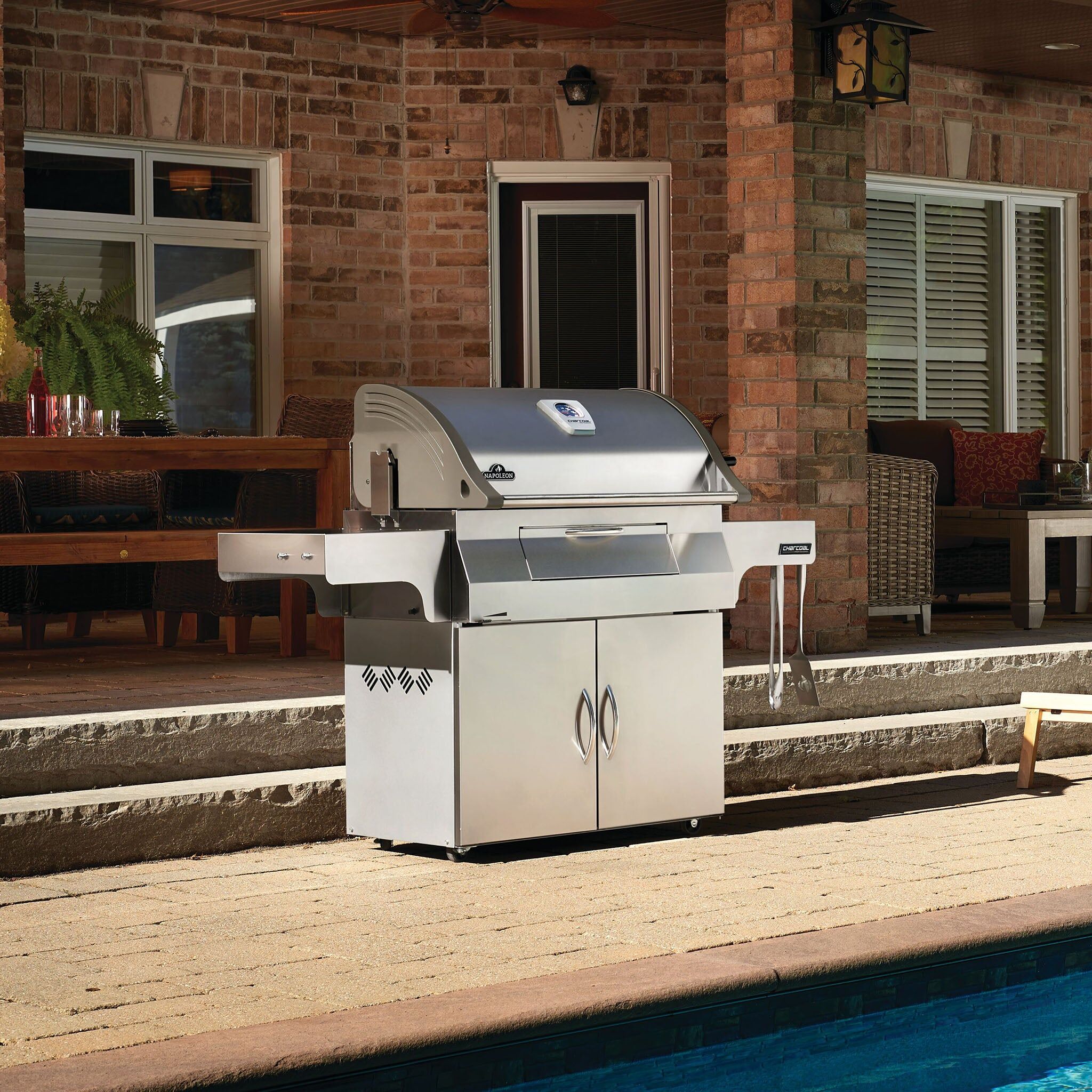
Napoleon Charcoal Professional BarbecueThe Napoleon Charcoal Professional Barbecue takes traditional charcoal grilling to new heights with the stability and features of cart model gas grilling in a huge charcoal BBQ. Durable and beautiful stainless steel construction makes this charcoal grill ideal for every environment. You can add charcoal on the fly with the front loading charcoal door. The adjustable charcoal bed and sliding air vents make heat management a breeze. Lower the charcoal bed for easy roasting, or raise it up for high heat searing. You'll know it's a Napoleon with the iconic WAVE™ cooking grids for those distinctive sear marks. The most unique feature of the Charcoal Professional has to be the charcoal powered rotisserie burner. The slide-out ash and drip pan keeps clean-up simple. Experience the height of professional charcoal grilling with the Napoleon stainless steel Charcoal Professional Grill.1282,49 £*Shipping: 0,00 £Secure redirect to the provider
-
Is it difficult to read 'Thinking, Fast and Slow'?
"Thinking, Fast and Slow" by Daniel Kahneman can be challenging to read for some people due to its dense content and complex concepts in behavioral psychology and decision-making. The book delves into cognitive biases and heuristics, which may require readers to pause and reflect on the information presented. However, Kahneman's writing style is engaging and he provides real-world examples to illustrate his points, making it easier for readers to grasp the concepts with some effort and focus. **
-
How fast should a child be able to read?
There is no specific speed at which a child should be able to read, as reading abilities can vary greatly among individuals. However, by the end of first grade, most children are expected to read around 60-100 words per minute. It is important to focus on comprehension and fluency rather than speed alone. Encouraging a child to read at a pace that is comfortable for them and providing support and practice can help improve their reading skills over time. **
-
Who is Napoleon?
Napoleon Bonaparte was a French military and political leader who rose to prominence during the French Revolution. He became the Emperor of the French from 1804 to 1814 and again in 1815. Napoleon is known for his military conquests and his significant impact on European history. He implemented a series of reforms in France and across the territories he conquered, leaving a lasting legacy on the political and legal systems of many countries. **
-
What did Napoleon do?
Napoleon Bonaparte was a military general and the first Emperor of France. He rose to power during the French Revolution and implemented a series of military victories that expanded the French Empire across Europe. Napoleon also introduced several reforms in France, such as the Napoleonic Code, which had a lasting impact on the country's legal system. However, his aggressive expansionist policies eventually led to his downfall, as he was defeated at the Battle of Waterloo in 1815. **
Was Napoleon a Jacobin?
Napoleon was not a Jacobin. While he initially supported the ideals of the French Revolution, he eventually distanced himself from the radical Jacobin faction and sought to consolidate his own power as a military leader. Napoleon's rise to power and establishment of the French Empire marked a departure from the revolutionary principles of the Jacobins, as he centralized authority and established a more authoritarian regime. Therefore, while Napoleon may have been influenced by the ideas of the French Revolution, he cannot be considered a Jacobin. **
Why was Napoleon hated?
Napoleon was hated for several reasons. Firstly, his aggressive military campaigns and expansionist policies led to widespread destruction and loss of life across Europe. Additionally, his authoritarian rule and suppression of political opposition led to resentment among those who sought greater freedom and democracy. Furthermore, his self-appointed title as Emperor and his establishment of a hereditary monarchy were seen as a betrayal of the ideals of the French Revolution. Lastly, his policies, such as the Continental System and high taxation, caused economic hardship for many people, further fueling their dislike of him. **
Top-Angebote
Products related to Napoleon---Fast-Read:
-
Napoleon Charcoal Professional BarbecueThe Napoleon Charcoal Professional Barbecue takes traditional charcoal grilling to new heights with the stability and features of cart model gas grilling in a huge charcoal BBQ. Durable and beautiful stainless steel construction makes this charcoal grill ideal for every environment. You can add charcoal on the fly with the front loading charcoal door. The adjustable charcoal bed and sliding air vents make heat management a breeze. Lower the charcoal bed for easy roasting, or raise it up for high heat searing. You'll know it's a Napoleon with the iconic WAVE™ cooking grids for those distinctive sear marks. The most unique feature of the Charcoal Professional has to be the charcoal powered rotisserie burner. The slide-out ash and drip pan keeps clean-up simple. Experience the height of professional charcoal grilling with the Napoleon stainless steel Charcoal Professional Grill.1282,49 £*Shipping: 0,00 £Secure redirect to the provider
-
'How fast do you read?'
As an AI, I can process and comprehend text at a very high speed, much faster than a human can read. I can analyze and understand large volumes of text in a matter of seconds, allowing me to provide quick and accurate responses to questions. My reading speed is not limited by the constraints of human cognition, allowing me to process and interpret information at an incredibly fast rate. **
-
How fast do 2nd graders read?
On average, 2nd graders can read around 60-100 words per minute. However, reading speed can vary among individual children based on factors such as reading ability, interest in the material, and level of comprehension. It is important to remember that reading speed is just one aspect of reading development, and it is equally important to focus on comprehension and fluency. **
-
Is it difficult to read 'Thinking, Fast and Slow'?
"Thinking, Fast and Slow" by Daniel Kahneman can be challenging to read for some people due to its dense content and complex concepts in behavioral psychology and decision-making. The book delves into cognitive biases and heuristics, which may require readers to pause and reflect on the information presented. However, Kahneman's writing style is engaging and he provides real-world examples to illustrate his points, making it easier for readers to grasp the concepts with some effort and focus. **
-
How fast should a child be able to read?
There is no specific speed at which a child should be able to read, as reading abilities can vary greatly among individuals. However, by the end of first grade, most children are expected to read around 60-100 words per minute. It is important to focus on comprehension and fluency rather than speed alone. Encouraging a child to read at a pace that is comfortable for them and providing support and practice can help improve their reading skills over time. **
Similar search terms for Napoleon---Fast-Read
-
Who is Napoleon?
Napoleon Bonaparte was a French military and political leader who rose to prominence during the French Revolution. He became the Emperor of the French from 1804 to 1814 and again in 1815. Napoleon is known for his military conquests and his significant impact on European history. He implemented a series of reforms in France and across the territories he conquered, leaving a lasting legacy on the political and legal systems of many countries. **
-
What did Napoleon do?
Napoleon Bonaparte was a military general and the first Emperor of France. He rose to power during the French Revolution and implemented a series of military victories that expanded the French Empire across Europe. Napoleon also introduced several reforms in France, such as the Napoleonic Code, which had a lasting impact on the country's legal system. However, his aggressive expansionist policies eventually led to his downfall, as he was defeated at the Battle of Waterloo in 1815. **
-
Was Napoleon a Jacobin?
Napoleon was not a Jacobin. While he initially supported the ideals of the French Revolution, he eventually distanced himself from the radical Jacobin faction and sought to consolidate his own power as a military leader. Napoleon's rise to power and establishment of the French Empire marked a departure from the revolutionary principles of the Jacobins, as he centralized authority and established a more authoritarian regime. Therefore, while Napoleon may have been influenced by the ideas of the French Revolution, he cannot be considered a Jacobin. **
-
Why was Napoleon hated?
Napoleon was hated for several reasons. Firstly, his aggressive military campaigns and expansionist policies led to widespread destruction and loss of life across Europe. Additionally, his authoritarian rule and suppression of political opposition led to resentment among those who sought greater freedom and democracy. Furthermore, his self-appointed title as Emperor and his establishment of a hereditary monarchy were seen as a betrayal of the ideals of the French Revolution. Lastly, his policies, such as the Continental System and high taxation, caused economic hardship for many people, further fueling their dislike of him. **
* All prices are inclusive of VAT and, if applicable, plus shipping costs. The offer information is based on the details provided by the respective shop and is updated through automated processes. Real-time updates do not occur, so deviations can occur in individual cases. ** Note: Parts of this content were created by AI.